At Home Senior Care and Emotional Health: Companionship as a Vital Service
Business Name: FootPrints Home Care
Address: 4811 Hardware Dr NE d1, Albuquerque, NM 87109
Phone: (505) 828-3918
FootPrints Home Care
FootPrints Home Care offers in-home senior care including assistance with activities of daily living, meal preparation and light housekeeping, companion care and more. We offer a no-charge in-home assessment to design care for the client to age in place. FootPrints offers senior home care in the greater Albuquerque region as well as the Santa Fe/Los Alamos area.
4811 Hardware Dr NE d1, Albuquerque, NM 87109
Business Hours
When people image in-home senior care, they frequently envision aid with bathing, meals, or medications. Those are very important, but they are not what the majority of older grownups talk about when you sit at a kitchen area table and ask what actually stresses them. What they explain rather is feeling alone in their own house, long afternoons without any one to talk to, and the peaceful fear that they are ending up being invisible.
Companionship is not a high-end add-on to elder care. It is main to emotional health, and psychological health is welded to physical safety, cognitive function, and quality of life. I have actually seen seniors rebound simply because someone started showing up twice a week to sit, listen, and share daily minutes. The ideal kind of in-home care can offer an individual a factor to get out of bed, to dress, to keep trying.
This is where companion-focused in-home senior care earns its keep.
Why psychological health is non‑negotiable in elder care
Emotional health in later life is typically a delicate balance. There are losses of many kinds: partners, siblings, lifelong friends, driving privileges, jobs, churches that have closed or moved, and often the simple capability to step outdoors safely. When you remove away those anchors, a senior can feel unmoored. Even seniors who are physically stable can move into depression or stress and anxiety if this psychological structure shakes.
Decades of research study support something households see intuitively. Regular social contact, feeling beneficial, having somebody who expects you and listens to you, all of this decreases the threat of anxiety, assists sleep, and even enhances hunger. In my experience, when someone is deeply lonesome, it shows up as:
They forget to consume or treat on whatever is closest, frequently unhealthy options.
They stop initiating anything: no calls, no hobbies, no walks out to the mailbox. They become more fixated on small pains and pains. They begin saying things like "I do not wish to be a bother" or "nobody requires me now."Clinically, this appears like low mood, loss of interest, and in some cases cognitive decrease. Virtually, it appears like a parent who utilized to dress wisely sitting all day in the exact same sweater, the TV on for noise, responding "I am fine" when you understand they are not.
In-home care that centers on companionship goes directly at the root of this problem.
What companionship in home care truly means
Companionship in senior home care is not just "having someone in the house." It has to do with engaged presence. A companion caregiver exists to do things with the senior, not just to the senior or for the senior.
In genuine homes, that may look like:
Sitting at the table with coffee and asking real concerns about the senior's past, then remembering the stories.
Playing cards or dominoes, not since it is on a care strategy list, but because that is what the customer used to do with friends. 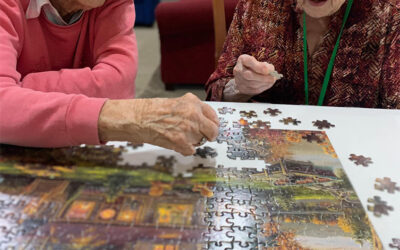
The jobs and companionship are typically intertwined. Folding laundry becomes a reason to talk about old family occasions. Organizing pictures becomes a casual life review that can relieve anxiety and remorse. The home care worker is not a guest. Done right, they enter into a small, trusted circle.
The emotional effect is often subtle in the beginning. A senior who hardly ever left their favorite chair now walks to the kitchen when the caretaker shows up. Someone who used to state "why trouble" about meals begins planning a preferred dish for the next visit. Over weeks, that shift constructs resilience.
The difference in between "tasks" and "presence"
Families searching for home care for parents are frequently focused on concrete tasks: medication suggestions, meal prep, light housekeeping, assist with showers. Agencies are accustomed to writing care strategies around those items since they are measurable and billable.
The truth inside the home looks different. Two caregivers can both meet the very same list of tasks and produce totally different outcomes.
One may move quickly, working in peaceful effectiveness: turn television on, set meals down, timely pills, tidy, and go. On paper, whatever is finished. Yet the parent feels like an object to be managed.
Another will take the same two or three hours and slow it down to human speed. They might sit first for a few minutes and ask, "How are you feeling about the day?" They find out which show the senior really takes pleasure in rather of simply leaving the tv on for sound. While preparing food, they welcome the senior to take part, even in small methods. They discuss household images without prying, but with genuine interest. The care is not just done around the person, it occurs with them.
That "with" is the core of companionship.
Agencies and families sometimes underestimate how much this presence safeguards emotional health. Older grownups may not articulate it directly, but they feel the distinction in between being the center of the visit and being the background.
Isolation in your home: risks individuals do not see till there is a crisis
Aging at home feels safe and familiar, yet it can hide serious seclusion. For families who live in another city or perhaps throughout town, a two times weekly call offers a thin picture. Parents often minimize their battles, partly from pride, partially from wanting to secure adult children.
The most common indication of hazardous seclusion in senior citizens are not always dramatic. You may notice small changes the next time you visit:
The fridge has random products and old leftovers, however insufficient genuine meals.
There is a stack of unopened mail or medical bills.Your parent duplicates the very same stories more frequently or blends timelines. You notice they have actually not been out of your home in days.
Left unattended, seclusion deteriorates physical and cognitive health. Individuals move less, which damages muscles and balance. They speak less, which dulls language and social abilities. Their world diminishes to the range in between the bed, the bathroom, and the recliner.
From a medical point of view, we see increased health center admissions for falls, dehydration, and medication errors. From a human perspective, we see individuals lessen versions of who they used to be.
In-home senior care that provides regular, friendly contact interrupts that downward drift. Great buddy care is not simply a safety net; it is a nudge toward engagement.
How companionship alters the day‑to‑day at home
If you have never ever seen consistent buddy care in action, it may sound unclear. The modifications tend to be practical and concrete.
A gentleman in his late eighties, living alone after his other half's death, hardly left his armchair in the months after the funeral service. His daughter arranged for in-home care two times a week, generally to "watch on him" and cue his medications. The firm matched him with a caregiver who had served in the military and liked baseball, two shared points of interest.
The first few visits were peaceful. They viewed a video game, shared coffee, and talked a little about service days. Within 3 weeks, the caregiver recommended brief walks to the corner and back during industrial breaks. Within 2 months, the strolls were around the block, and the senior had actually cleaned up his small patio area due to the fact that "if we are going to sit outside, it might too look decent." His appetite improved, his sleep ravelled, and he agreed to see his primary care doctor again after missing out on appointments.
Nothing miraculous occurred. There were no brand name new medications or treatments. The difference was that he was no longer alone with his loss for days at a time.
In another home, a retired teacher with early dementia was becoming withdrawn and suspicious. Her kid arranged senior home care, concentrating on aid with meals and personal care. The caregiver who visited recognized that this woman's identity was involved teaching. She brought easy word video games, old maps, and lesson plans. She asked the senior to "teach" her about grammar rules and American history. This simple shift in how they invested their time together decreased agitation and provided the elder a sense of dignity. She was no senior home care footprintshomecare.com longer simply a patient needing guidance; she was an instructor once again for an hour or two.
Stories like these are common for those of us who work in elder care. Companionship develops space for individuals to be themselves, not just their diagnoses.
Types of in‑home senior care and where companionship fits
Not every in-home care service is the very same. It helps to comprehend where companionship naturally fits within the series of options.
Non medical home care.
This generally consists of aid with bathing, dressing, toileting, meal preparation, light housekeeping, transportation, and supervision. Companionship is typically clearly noted as a service. Agencies that specialize in this kind of care are typically the best starting point for families whose primary concern is safety and social engagement.Personal care versus buddy care.
Some firms distinguish between "individual care" (hands‑on aid with hygiene and movement) and "buddy care" (guidance, conversation, errands, outings, and family assistance). Numerous clients take advantage of a mix of the 2. For example, a caregiver may assist with a shower in the morning, then invest the next hour walking, preparing lunch together, and playing a game.Skilled home health.
This is healthcare in the house, such as nursing visits, physical treatment, or injury care, generally purchased by a doctor and covered by insurance for specific conditions. Competent clinicians may be warm and friendly, however they are not there to offer continuous companionship. Households are typically stunned to discover they still need separate senior home care to attend to everyday psychological and social needs.Live in or 24‑hour care.
For elders with advanced dementia or intricate medical requirements, continuous in-home care might be required. Here, companionship is still crucial. Turning caretakers should interact well, keep routines, and offer calm existence during long over night hours when stress and anxiety and confusion can peak.Respite care.
This provides family caretakers a break, from a few hours a week to short-term live‑in protection. When respite employees are trained to provide real companionship, family members go back to their role with less guilt and stress, understanding their loved one did something more meaningful than just being "viewed."In Albuquerque and similar communities, agencies that advertise "Albuquerque home care" or "in-home care" might use a mix of these services. Households need to not be shy about asking particular concerns about how caretakers are trained in interaction, dementia-sensitive interaction, and psychological support.
The unique role of companionship in home look after parents
When adult children are the ones arranging care, there is a layer of emotion few outsiders see. You know your parents as the strong ones, individuals who worked, raised families, and made the rules. Seeing that shift can be uncomfortable. Numerous avoid bringing in home care due to the fact that it feels like confessing a decrease that can not be reversed.
Companionship-based care can soften that shift. Instead of framing it as "we are generating someone to take care of you," it can be truthful and collaborative: "We want you to have business and assist with the heavy things so we can spend our time together on the enjoyable parts, not just chores and consultations."
In practice, I have actually seen relationships in between parents and adult children improve once a buddy caretaker goes into the image. Before, every visit from the children revolved around tasks: groceries, repairs, scheduling medical visits, sorting tablets. The parent either felt bitter feeling managed or felt guilty for being "a concern." After constant at home senior care started, the parent had someone to share day-to-day frustrations and mundane information with. When the kids came, there was more space for conversation, for thinking back, even for a bit of typical family conflict that did not center on decline.
There is another side to this. A good caregiver can often say things a parent will hear more quickly from a "neutral" person. Suggestions about using a walker, consuming more frequently, or quiting driving frequently land better from someone who is not their kid. Companion caretakers, who build trust over time, remain in a strong position to drift those concepts gently.
What to try to find when selecting companion‑focused in‑home care
This is an excellent place for a concise list. Households are often overwhelmed by glossy pamphlets and vague promises of "quality care." When companionship is a priority, a few concentrated concerns can separate solid companies from the rest.
Consider asking:
- How do you match caretakers to clients, beyond schedule and location, especially in terms of character, pastimes, and language?
- What training do your caregivers get in communication, dementia care, and supporting psychological health, not just physical tasks?
- Can you describe a recent situation where a caretaker helped a client with loneliness, stress and anxiety, or grief?
- How do you manage it if a client and caregiver do not "click" on an individual level?
- Will the same caretakers visit regularly, or will there be regular changes?
You can learn as much from how with confidence and particularly an agency responses these concerns as from the responses themselves. Agencies that really value companionship normally have stories at their fingertips and speak easily about feelings, not only logistics.
Families in particular regions, such as those looking for Albuquerque home care, need to also ask about regional knowledge. A caregiver who knows the neighboring parks, churches, senior centers, and community occasions can produce richer trips and a more powerful sense of connection to the community.
Supporting caretakers so they can support emotional health
Companionship is emotional labor. It requires patience, empathy, and the ability to listen to the exact same story multiple times as if it were brand-new. Excellent caregivers do this day after day, typically while likewise handling physical care, family responsibilities of their own, and modest pay.
If you are a member of the family working with in-home care, supporting the caretaker is not just generosity, it is practical. A caretaker who feels appreciated and included as part of the care group is more likely to remain, to see small changes, and to go above and beyond with companionship.
Simple habits matter. Greet them by name and ask how they are doing, not only how your parent is. Offer clear information about regimens and choices so they are not forced to think and risk distressing the senior. If your parent has cognitive problems, back the caregiver up when safety choices cause friction, instead of leaving them alone to navigate blame.
Agencies also have a duty here. Routine supervision, opportunities for training in psychological health and communication, and a culture that acknowledges the emotional side of elder care all feed into the quality of companionship a caregiver can use. You can typically notice this throughout preliminary calls: do they talk about caretakers with respect, or as interchangeable labor?
When companionship alone is not enough
Companionship is effective, however it is not a cure-all. Some senior citizens experience major depression, made complex grief, or serious stress and anxiety that requires clinical treatment. Dementia and other neurologic conditions can change personality, disrupt sleep, and produce fear or aggressiveness even in the existence of constant, loving care.
Signs that you may need to add professional psychological health support include:
Persistent expressions of despondence or wanting to die.
Considerable modifications in hunger or weight over a few weeks. Rejection to rise or shower for extended periods. New or intensifying fear or hallucinations.In these cases, home care workers end up being vital observers and allies. They are often the first to see patterns, such as state of mind modifications at certain times of day, increased confusion following medication changes, or reactions to stressful events. When there is trust and good interaction, they can share this details with household and health companies, so interventions are much better targeted.
For households, it assists to reframe the goal. The concern is not "Is companionship enough to repair this?" but "How can we combine companionship with medical and psychological care to create the very best possible life?"
Practical ways to integrate meaningful companionship into care
Even before you hire a company, or best together with professional services, there are ways to build more psychological assistance into a senior's daily life. Not all of these involve official elder care or expense.
Here are some practical techniques that households and caregivers can use:
- Anchor care visits to meaningful activities, not simply tasks, such as "Tuesdays are for baking together" or "Thursday afternoons are for letter composing or call."
- Keep a small "conversation shelf" in the living room with image albums, favorite books, or keepsakes that naturally stimulate stories between the senior and caregiver.
- Set up basic, repeatable social routines, like afternoon tea at the table instead of snacks in front of the TV, giving space for real conversation.
- Help link the senior to a couple of neighborhood touchpoints, such as a senior center program, church group, or strolling club, and include caretakers in those outings.
- Encourage caretakers to share (properly) about their own lives so the relationship feels mutual, not one‑sided, which frequently makes senior citizens feel more respected and engaged.
These might look small on paper. In practice, they structure the day around human contact rather of just medical or family requirements. With time, that shift frequently matters as much as any assistive device or new medication.
A different procedure of success for in‑home senior care
Families frequently ask, "How will we understand if the care is working?" For companionship-centered at home senior care, the metrics are hardly ever discovered on a chart.
Instead, search for changes like these over numerous weeks or months:
Your parent starts topics during calls instead of offering one-word answers.
They appear more oriented to the calendar since visits separate the week. Hygiene and clothes choices reflect more self-respect. There is laughter in the house once again, even in the midst of genuine challenges.The goal of elder care is not only longer life. It is much better days. When companionship is dealt with as an essential service instead of an optional extra, home care ends up being more than maintenance. It becomes a way for older grownups to remain themselves, as completely as possible, in the homes and neighborhoods they love.
FootPrints Home Care is a Home Care Agency
FootPrints Home Care provides In-Home Care Services
FootPrints Home Care serves Seniors and Adults Requiring Assistance
FootPrints Home Care offers Companionship Care
FootPrints Home Care offers Personal Care Support
FootPrints Home Care provides In-Home Alzheimer’s and Dementia Care
FootPrints Home Care focuses on Maintaining Client Independence at Home
FootPrints Home Care employs Professional Caregivers
FootPrints Home Care operates in Albuquerque, NM
FootPrints Home Care prioritizes Customized Care Plans for Each Client
FootPrints Home Care provides 24-Hour In-Home Support
FootPrints Home Care assists with Activities of Daily Living (ADLs)
FootPrints Home Care supports Medication Reminders and Monitoring
FootPrints Home Care delivers Respite Care for Family Caregivers
FootPrints Home Care ensures Safety and Comfort Within the Home
FootPrints Home Care coordinates with Family Members and Healthcare Providers
FootPrints Home Care offers Housekeeping and Homemaker Services
FootPrints Home Care specializes in Non-Medical Care for Aging Adults
FootPrints Home Care maintains Flexible Scheduling and Care Plan Options
FootPrints Home Care is guided by Faith-Based Principles of Compassion and Service
FootPrints Home Care has a phone number of (505) 828-3918
FootPrints Home Care has an address of 4811 Hardware Dr NE d1, Albuquerque, NM 87109
FootPrints Home Care has a website https://footprintshomecare.com/
FootPrints Home Care has Google Maps listing https://maps.app.goo.gl/QobiEduAt9WFiA4e6
FootPrints Home Care has Facebook page https://www.facebook.com/FootPrintsHomeCare/
FootPrints Home Care has Instagram https://www.instagram.com/footprintshomecare/
FootPrints Home Care has LinkedIn https://www.linkedin.com/company/footprints-home-care
FootPrints Home Care won Top Work Places 2023-2024
FootPrints Home Care earned Best of Home Care 2025
FootPrints Home Care won Best Places to Work 2019
People Also Ask about FootPrints Home Care
What services does FootPrints Home Care provide?
FootPrints Home Care offers non-medical, in-home support for seniors and adults who wish to remain independent at home. Services include companionship, personal care, mobility assistance, housekeeping, meal preparation, respite care, dementia care, and help with activities of daily living (ADLs). Care plans are personalized to match each client’s needs, preferences, and daily routines.
How does FootPrints Home Care create personalized care plans?
Each care plan begins with a free in-home assessment, where FootPrints Home Care evaluates the client’s physical needs, home environment, routines, and family goals. From there, a customized plan is created covering daily tasks, safety considerations, caregiver scheduling, and long-term wellness needs. Plans are reviewed regularly and adjusted as care needs change.
Are your caregivers trained and background-checked?
Yes. All FootPrints Home Care caregivers undergo extensive background checks, reference verification, and professional screening before being hired. Caregivers are trained in senior support, dementia care techniques, communication, safety practices, and hands-on care. Ongoing training ensures that clients receive safe, compassionate, and professional support.
Can FootPrints Home Care provide care for clients with Alzheimer’s or dementia?
Absolutely. FootPrints Home Care offers specialized Alzheimer’s and dementia care designed to support cognitive changes, reduce anxiety, maintain routines, and create a safe home environment. Caregivers are trained in memory-care best practices, redirection techniques, communication strategies, and behavior support.
What areas does FootPrints Home Care serve?
FootPrints Home Care proudly serves Albuquerque New Mexico and surrounding communities, offering dependable, local in-home care to seniors and adults in need of extra daily support. If you’re unsure whether your home is within the service area, FootPrints Home Care can confirm coverage and help arrange the right care solution.
Where is FootPrints Home Care located?
FootPrints Home Care is conveniently located at 4811 Hardware Dr NE d1, Albuquerque, NM 87109. You can easily find directions on Google Maps or call at (505) 828-3918 24-hoursa day, Monday through Sunday
How can I contact FootPrints Home Care?
You can contact FootPrints Home Care by phone at: (505) 828-3918, visit their website at https://footprintshomecare.com, or connect on social media via Facebook, Instagram & LinkedIn
Antiquity Restaurant provides a warm, accessible dining experience — perfect for a comforting night out even while receiving in-home care or assisted support.