At Home Senior Care vs Assisted Living: A Practical Contrast Guide
Business Name: FootPrints Home Care
Address: 4811 Hardware Dr NE d1, Albuquerque, NM 87109
Phone: (505) 828-3918
FootPrints Home Care
FootPrints Home Care offers in-home senior care including assistance with activities of daily living, meal preparation and light housekeeping, companion care and more. We offer a no-charge in-home assessment to design care for the client to age in place. FootPrints offers senior home care in the greater Albuquerque region as well as the Santa Fe/Los Alamos area.
4811 Hardware Dr NE d1, Albuquerque, NM 87109
Business Hours
Families seldom plan for the moment a moms and dad needs aid with life. It slips up after a fall, a health center stay, or a slow drift of little warning signs. The milk sours in the fridge. The tablets don't build up. The mailbox is crammed with unopened envelopes. At that point the 2 choices most people consider, sometimes in a rush, are in-home senior care and assisted living. They share the same objective, better days and more secure nights for an older adult, but they work extremely in a different way. Picking sensibly means looking beyond pamphlet language and thinking through what life will appear like on Tuesday at 3 p.m., on Sunday early morning, and at 2 a.m. when the smoke detector chirps.
What follows is a grounded comparison drawn from years of working alongside families, caretakers, and neighborhood staff. I'll reveal where each model shines, where it struggles, senior home care and how to weigh the choice for your situation. This is not theory. It is the stuff you see in kitchen areas, driveways, and dining rooms.
What in-home care really provides
In-home senior care is a service you bring into your house or house the older adult already lives in. A senior caregiver might come a couple of hours a week or all the time. You can hire through a home care service company or engage a personal caretaker directly. The jobs vary widely. At the lightest end, friendship, meal prep, transport, medication tips, and light housekeeping. At the heavier end, bathing, dressing, transfers with a gait belt or Hoyer lift, continence care, and overnight security monitoring.
The biggest benefit here is control. Schedules can be personalized, often to the hour. If Mom just requires aid with a shower 3 days a week and a ride to church, that is all you purchase. If she prefers her oatmeal a specific method and declines to consume it otherwise, that preference can be honored because you have one-on-one attention. An excellent caregiver rapidly learns the rhythm of the home, the pet dog's peculiarities, and which sweatshirt is constantly the favorite.
There is also connection. For numerous older adults, leaving the house is mentally disruptive. The chair by the window, the next-door neighbor who waves, the kitchen that makes sense even with arthritic hands, one's own bed, these matter. In-home care allows the person to keep their routines and social ties, which typically improves state of mind and reduces confusion, particularly for those with early dementia.
The drawbacks are real. Care at home is just as safe as the environment and the care plan. If the bathroom lacks grab bars, if the bedroom is upstairs, if the lighting is bad, dangers increase. Families need to coordinate and supervise caregivers, specifically at the start. Agencies help, however somebody still requires to manage schedules, keep an eye on quality, and pivot when needs modification. If 24-hour protection becomes essential, costs climb rapidly, and staffing can get made complex. And loneliness can remain in between caregiver visits if there is limited family or community engagement.
What assisted living truly provides
Assisted living is housing plus aid. Homeowners live in private apartments or suites and get services such as meals, housekeeping, transport, activities, and assistance with individual care. Staff exist all the time, though staffing ratios differ by state and by building, and there is no basic nationwide meaning. Think about it as an intermediate alternative in between independent living and nursing home care.
The greatest advantage is built-in support and social structure. 3 meals a day show up without a grocery list. Someone changes the linens and empties the garbage. There are activities on the calendar most days, from chair exercise to music, and casual interacting socially in the dining room or lobby. For numerous, this raises a weight. I have seen withdrawn seniors brighten within weeks as their world rebuilt around new friendships and routine.
Safety facilities is another plus. Buildings are developed for mobility obstacles, with elevators, hand rails, available bathrooms, and emergency situation call systems. Personnel can respond to a fall faster than a neighbor can drive throughout town. Medication management is securely managed. If a resident misses out on breakfast, someone notices. Families sleep simpler knowing there is 24-hour oversight even if it is not one-to-one.
Trade-offs exist. Assisted living is communal living, so control over environment and regimen is shared. Meals happen on a schedule. Care is provided according to a care strategy that need to be feasible within staffing patterns. If Dad desires a bath at 10 p.m. every night, that might not be offered, or it may include an included fee. Costs in assisted living are frequently tiered. The base rent covers real estate and hospitality, then care is layered on based upon assessed requirements. As requirements rise, so do regular monthly costs. And for some, leaving home harms more than it helps, specifically in early transitions when everything is new.
The heart of the choice: functional requirements today and tomorrow
Families typically start with cost, however the core concern is function. What does the older adult need help with today, and how is that most likely to change?
Activities of day-to-day living, often called ADLs, include bathing, dressing, toileting, moving, continence, and eating. Important activities of daily living, or IADLs, include cooking, shopping, managing medications, managing finances, transportation, and housekeeping. If a person requires help with a couple of IADLs and is otherwise steady, senior home look after a few hours a week can work wonderfully. If an individual requires hands-on help with numerous ADLs throughout the day, the math and logistics of home care become more complex.
Think pattern, not snapshot. After a fall, requires can surge, then improve with rehabilitation. After a new dementia diagnosis, requirements are most likely to grow gradually even if the very first months look workable. A practical approach is to plan for 12 to 24 months, not simply the next few weeks. Detail what "more aid" would look like in either setting and what activates would prompt a change.
A concrete example: Mrs. L, 84, lives alone in a one-story apartment. She drives during the day, fights with stairs, and has mild amnesia. She missed out on a couple doses of her high blood pressure meds last month. Her daughter lives 20 minutes away. In-home care 2 early mornings a week for medication setup, meal preparation, and housekeeping likely stabilizes life without upgrading it. If Mrs. L stops driving or starts roaming, that plan will need revision.
Another example: Mr. R, 87, with moderate Parkinson's disease, needs assistance transferring, with bathing and grooming, and has a number of falls in the in 2015. His home has narrow doorways and a little bathroom. His other half is devoted but exhausted. Assisted coping with robust personal care services may minimize fall danger, provide his spouse rest, and supply constant assist with transfers. If they wish to stay at home, day-to-day in-home senior care may need to broaden to 10 to 12 hours a day with careful home modifications and a back-up plan for nights.
Cost anatomy: not simply a month-to-month number
Costs are where households typically feel the most stress and anxiety. Costs vary by region, company, and level of need. Think in regards to components and levers, not just sticker prices.
With in-home care, you pay by the hour. Nationally, non-medical home care frequently ranges from about 25 to 40 dollars per hour depending upon location, weekend or over night shifts, and whether live-in arrangements are allowed your state. Many home care service companies have minimum shifts, typically 3 to 4 hours. For light assistance, state 12 hours a week, the monthly expense might be 1,500 to 2,500 dollars. For 8 hours a day, 7 days a week, that can leap to 6,000 to 9,000 dollars or more. Round-the-clock coverage is the most pricey, and staffing it reliably becomes a management challenge.
Assisted living is usually priced as a month-to-month rent plus care. Base rates may range from roughly 3,000 to 7,000 dollars per month, then care charges include 500 to 3,000 dollars or more depending upon support needed. Memory care systems with protected environments generally cost more. Medication management, incontinence products, escorting to meals, and two-person transfers frequently carry additional fees. Some communities offer all-encompassing pricing, others use a point or tier system that can alter after periodic evaluations. Make sure to ask not only what today's rate is, however how rate increases are dealt with, what activates a greater care tier, and how much notice you receive.
Hidden expenses should have attention. At home, utilities, groceries, homeowner's insurance coverage, property taxes, and upkeep continue. In assisted living, some of these expenses are bundled, but there may be move-in charges, second person costs for couples, and add-ons like cable or covered parking. Transportation beyond arranged routes may incur service charges. Balance sheets look different when you lay these side by side.
Long-term care insurance plan can cover either design if benefits are set off, typically based on requiring aid with 2 or more ADLs or having cognitive impairment. Veterans' advantages, especially Help and Attendance, can help qualified veterans and partners. Medicaid protection differs by state. Some states fund home- and community-based services that can support in-home care hours, and some spend for assisted living in limited programs. These programs have waitlists and eligibility rules, so begin early if you may require them.
The social formula: loneliness, independence, and identity
Care is not just jobs. It is likewise about identity, function, and how a person spends the hours in between breakfast and supper. Those pieces often decide whether an option sticks.
At home, self-reliance feels tangible. You set your bedtime. You keep your garden. You pet your canine. The familiar assistances memory and decreases the tension of modification. However home can also isolate. Pals stop driving. Neighbors move. If family and community participation are strong, in-home care can plug into a complete life. If not, hours extend long in between caretaker gos to, and isolation can aggravate anxiety or cognitive symptoms. Good agencies train caregivers to engage, not just carry out tasks, but they can not change a genuine social web.
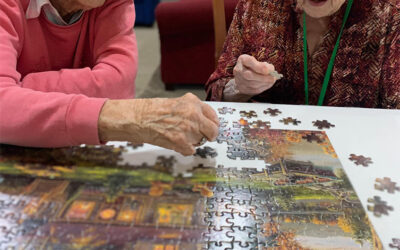
In assisted living, social opportunities sit simply outside the apartment door. The awkward first week gets simpler once a resident finds a couple of friendly faces at a regular table. Even homeowners who declare they are not joiners frequently start going to an afternoon activity merely due to the fact that it is practical. The flip side is that common living requires compromise. Privacy exists however is not absolute. The structure's culture matters. Some communities feel like college dormitories for 80-year-olds in the very best possible method. Others feel peaceful and transactional. Tour at various times of day and trust your senses.
Safety and medical factors to consider you ought to not gloss over
Safety gets tossed around as a catch-all argument for assisted living, but the reality is nuanced.
At home, targeted environmental modifications lower danger drastically. A walk-in shower with a strong seat, non-slip flooring, well-placed grab bars, adequate lighting, elimination of toss rugs, a raised toilet, and clear paths make a big difference. Medication management can be supported with locked dispensers, blister packs, or caretaker set-up. Remote tracking tools, such as bed tenancy sensing units and door alerts, can supply extra layers. A senior caregiver trained in safe transfers and fall prevention is worth their weight in gold. Still, if a person requires frequent night-time support, the gaps between caretaker hours end up being meaningful risks.
In assisted living, 24-hour staff existence and emergency situation response systems decrease the time in between incident and aid. That matters after a fall or unexpected health problem. However assisted living is not a medical facility. If someone needs knowledgeable nursing jobs like complex wound care, feeding tubes, or consistent tracking for unsteady conditions, a nursing home or high-acuity setting might be more appropriate. Assisted living staff ratios vary. A building with strong leadership, low turnover, and solid training is far safer than a stunning building with poor staffing. Inquire about staffing in the evening, not just throughout the day, and about the training program for brand-new hires.
Cognitive changes deserve a particular lens. Individuals with early dementia often thrive in the house when regimens are maintained and stimuli are controlled. As dementia advances, roaming danger, sundowning, and the need for cueing boost. Some assisted living neighborhoods offer committed memory care systems with protected boundaries, specialized activity programs, and personnel trained in dementia habits. Those units can supply structure that is hard to reproduce in the house without extensive caretaker presence. The option depends on the individual's triggers, history, and household capacity.
Family capacity, limits, and burnout
Families often underestimate the time and coordination needed, especially with in-home care. Even if caretakers manage personal care and house cleaning, somebody needs to set up schedules, cover call-outs, coordinate with medical professionals, manage medications, restock supplies, and keep eyes on the big picture. That someone is normally a child, boy, or spouse. The unnoticeable load builds up, and bitterness can sneak in. A sustainable strategy acknowledges what the household can and can refrain from doing without guilt. Think about the range to the home, work schedules, health of the main caregiver, and the existence of backup helpers.
Assisted living shifts much of that coordination to the community but does not eliminate the family's role. Families still advocate, sign in, attend care strategy conferences, and screen modifications. The difference is that daily tasks move off their plate. For a partner caregiver in their late 70s, that shift can restore health and durability. I have actually seen couples reclaim afternoons together since somebody else deals with bathing and laundry, which change conserves a marital relationship from drowning in logistics.
Quality differs widely: how to examine providers
Whether you favor elderly home care or assisted living, quality identifies outcomes. A small, constant group of caretakers can make home life safer than a fancy structure with turning staff. A well-run community with a strong director can deliver better care than a cheaper option with high turnover. You need to see behind the marketing.
Here is a basic, focused list you can use during your search:
- Ask about staffing: ratios by shift, typical tenure, training programs, and background screening.
- Look for consistency: will you have the very same senior caretaker most days, and how are call-outs handled?
- Watch the little minutes: observe a meal service or a caregiver visit and note how personnel address locals by name and how residents respond.
- Review care preparation: how are modifications in condition recognized and interacted, and how quickly can services be increased?
- Scrutinize prices: demand the care evaluation, all potential add-on costs, and the policy for rate boosts and discover periods.
Two additional techniques settle. Visit or schedule care during off hours. A Sunday afternoon informs a different story than a Wednesday tour. And speak with current families if possible. The tone of their remarks, even quick ones in a lobby or car park, often reveals more than any brochure.
Home adjustments and devices that alter the equation
Families sometimes dismiss in-home care because a restroom seems impossible or stairs seem like a deal-breaker. A targeted set of modifications can open doors, in some cases literally.

Contractors who concentrate on aging-in-place can expand doors, convert tubs to zero-threshold showers, install ramps, and change counter heights. Not every house is a candidate for a full transformation, but numerous gain from easier upgrades. Intense tape on step edges, motion-activated night lights, lever door deals with instead of knobs, and a reachable microwave can decrease everyday friction.
Equipment matters more than individuals recognize. An effectively fitted walker, not the nearby one in the closet, modifications gait and confidence. A raised toilet with arm supports lowers the need for two-person assists. A shower chair at the best height prevents slips. I have actually seen a couple prevent moving simply by swapping a low, soft couch for a company, greater chair that made standing safe.
The flip side applies to assisted living. Some structures are magnificently decorated but not really simple to navigate with movement aids. During trips, walk the paths your loved one would use: bedroom to restroom, apartment or condo to dining-room. Count the variety of turns and inspect floor covering shifts. Ask where the closest staff are stationed throughout the night.
Personal preferences and the intangibles
Values assist these choices more than we admit. Some older adults see home as non-negotiable and will invest time, money, and perseverance to stay there. Others yearn for the relief of not handling a home and leap at the opportunity to be served dinner and leave the meals to somebody else.
Listen to specific choices, not simply the label. An individual may say, I wish to stay at home, but what they imply is, I want to keep my pet dog, my garden, my church. Maybe an assisted living neighborhood close-by allows pets, has raised beds in a yard, and offers transport to the same church. Or a person might say, I don't desire complete strangers in my home, however they might accept a caregiver presented by a relied on neighbor and set up for foreseeable times. Unload the sensations behind the words, and you get options that respect both safety and selfhood.
What changes over time: trajectories and pivot points
Care choices are rarely once-and-done. Needs climb, level off, then climb up again. The very best strategy consists of pivot points. Compose them down. If nighttime roaming occurs two times a week or more, we will include over night care. If weight visit 5 percent over 3 months, we will revisit meal assistance. If the number of falls hits two in a month regardless of interventions, we will think about a different setting.
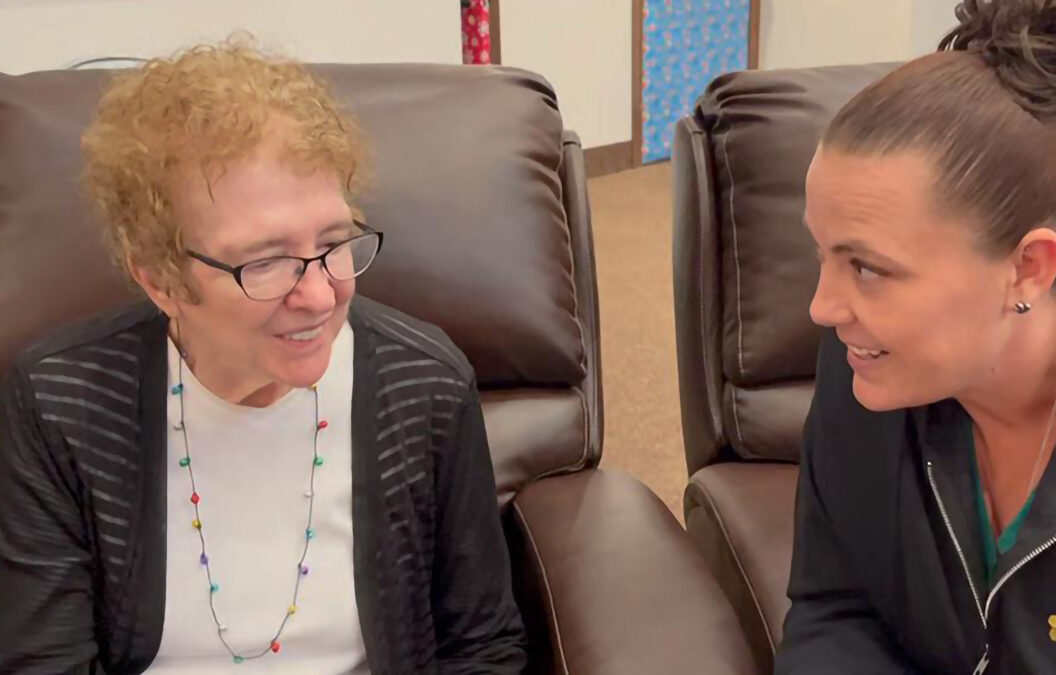
Families who prepare these pivots tend to feel more in control, even if the steps are difficult. This also helps with budget plan preparation. Understanding that in-home care might expand from 12 to 40 hours a week as requirements grow permits financial conversations to begin sooner. Knowing that assisted living may move to memory care if habits emerge avoids a rushed relocation later.
A sensible hybrid: blending solutions
A false choice sometimes traps households. It is not constantly in-home care or assisted living. Hybrids exist.
Some individuals relocate to independent living or a smaller home near family and layer in senior home care a few days a week. Others utilize adult day programs for socialization and respite, then depend on in-home care in the early morning and evening. Couples often pick assisted living for the partner who requires care while the much healthier spouse keeps your house and check outs daily, though this needs cautious thought about financial resources and psychological strain.
Short-term respite stays in assisted living can likewise work as a trial. A two-week or one-month stay after a healthcare facility discharge offers healing time and a break for household while you assess whether the fit is right. If it is, the transition feels less abrupt. If not, you return home with much better clearness about assistances to add.
Red flags that point highly in one direction
Patterns frequently decide clearer. Here are five signals that typically tip the balance.
- Frequent night-time requirements or wandering recommend that assisted living or memory care may offer more secure, steadier assistance than intermittent in-home coverage.
- Multiple falls with injury despite home adjustments indicate the advantages of 24-hour oversight and integrated security features.
- A partner caretaker with declining health often does better when day-to-day tasks transfer to a neighborhood, preserving their energy for the relationship rather than the labor.
- Severe seclusion in the house, without any practical method to reconstruct a social routine, can tilt towards assisted living's built-in community.
- Light requires that are specific and schedulable, with strong family backup nearby, favor in-home care, particularly when home is physically safe and deeply meaningful.
How to begin, step by action, without overwhelm
Start with a simple assessment. List the jobs that are difficult today, the tasks likely to be difficult within the year, and the risks that worry you most. Factor in the home's layout, the family network, and the budget plan variety you can sustain. Then check out two or 3 home care agencies and 2 or three assisted living neighborhoods. Compare how each would deal with those particular jobs and dangers, not generic promises.
During firm interviews, ask who will be the point individual, how caretakers are matched, and what happens when a caregiver calls out. Demand that the same senior caregiver covers most shifts to develop rapport. For assisted living, ask to see a copy of the resident contract and the care evaluation tool. Press for clarity on what care levels look like in practice. Tour unannounced if possible, or visit at a mealtime and observe the flow.
Families often feel pressure to decide quickly. Unless there is an immediate security crisis, take a couple of days. Bring the older grownup into the procedure as much as possible, even if cognitive issues limit participation. Individuals cooperate more with strategies they assist shape, and self-respect matters.
Bringing it together
Both at home senior care and assisted living can deliver safe, dignified, and pleasing lives when matched to the individual's needs, environment, and worths. In-home care excels at customization, protecting the home's comforts, and targeting assistance to the times that matter. It relies on a safe setup and household or agency coordination, and it can end up being expensive if needs expand to lots of hours a day. Assisted living excels at structure, social connection, and 24-hour oversight. It trades some independence for predictability and can escalate in cost as care needs grow.
When the ideal match is made, little moments inform you. A caretaker laughing in the kitchen with your father since she kept in mind how he likes his tea. A resident waving to three individuals en route to morning workout. Those moments indicate the strategy is working. They are also the real step of senior care, in the house or in a community, far beyond any sales brochure line.
FootPrints Home Care is a Home Care Agency
FootPrints Home Care provides In-Home Care Services
FootPrints Home Care serves Seniors and Adults Requiring Assistance
FootPrints Home Care offers Companionship Care
FootPrints Home Care offers Personal Care Support
FootPrints Home Care provides In-Home Alzheimer’s and Dementia Care
FootPrints Home Care focuses on Maintaining Client Independence at Home
FootPrints Home Care employs Professional Caregivers
FootPrints Home Care operates in Albuquerque, NM
FootPrints Home Care prioritizes Customized Care Plans for Each Client
FootPrints Home Care provides 24-Hour In-Home Support
FootPrints Home Care assists with Activities of Daily Living (ADLs)
FootPrints Home Care supports Medication Reminders and Monitoring
FootPrints Home Care delivers Respite Care for Family Caregivers
FootPrints Home Care ensures Safety and Comfort Within the Home
FootPrints Home Care coordinates with Family Members and Healthcare Providers
FootPrints Home Care offers Housekeeping and Homemaker Services
FootPrints Home Care specializes in Non-Medical Care for Aging Adults
FootPrints Home Care maintains Flexible Scheduling and Care Plan Options
FootPrints Home Care is guided by Faith-Based Principles of Compassion and Service
FootPrints Home Care has a phone number of (505) 828-3918
FootPrints Home Care has an address of 4811 Hardware Dr NE d1, Albuquerque, NM 87109
FootPrints Home Care has a website https://footprintshomecare.com/
FootPrints Home Care has Google Maps listing https://maps.app.goo.gl/QobiEduAt9WFiA4e6
FootPrints Home Care has Facebook page https://www.facebook.com/FootPrintsHomeCare/
FootPrints Home Care has Instagram https://www.instagram.com/footprintshomecare/
FootPrints Home Care has LinkedIn https://www.linkedin.com/company/footprints-home-care
FootPrints Home Care won Top Work Places 2023-2024
FootPrints Home Care earned Best of Home Care 2025
FootPrints Home Care won Best Places to Work 2019
People Also Ask about FootPrints Home Care
What services does FootPrints Home Care provide?
FootPrints Home Care offers non-medical, in-home support for seniors and adults who wish to remain independent at home. Services include companionship, personal care, mobility assistance, housekeeping, meal preparation, respite care, dementia care, and help with activities of daily living (ADLs). Care plans are personalized to match each client’s needs, preferences, and daily routines.
How does FootPrints Home Care create personalized care plans?
Each care plan begins with a free in-home assessment, where FootPrints Home Care evaluates the client’s physical needs, home environment, routines, and family goals. From there, a customized plan is created covering daily tasks, safety considerations, caregiver scheduling, and long-term wellness needs. Plans are reviewed regularly and adjusted as care needs change.
Are your caregivers trained and background-checked?
Yes. All FootPrints Home Care caregivers undergo extensive background checks, reference verification, and professional screening before being hired. Caregivers are trained in senior support, dementia care techniques, communication, safety practices, and hands-on care. Ongoing training ensures that clients receive safe, compassionate, and professional support.
Can FootPrints Home Care provide care for clients with Alzheimer’s or dementia?
Absolutely. FootPrints Home Care offers specialized Alzheimer’s and dementia care designed to support cognitive changes, reduce anxiety, maintain routines, and create a safe home environment. Caregivers are trained in memory-care best practices, redirection techniques, communication strategies, and behavior support.
What areas does FootPrints Home Care serve?
FootPrints Home Care proudly serves Albuquerque New Mexico and surrounding communities, offering dependable, local in-home care to seniors and adults in need of extra daily support. If you’re unsure whether your home is within the service area, FootPrints Home Care can confirm coverage and help arrange the right care solution.
Where is FootPrints Home Care located?
FootPrints Home Care is conveniently located at 4811 Hardware Dr NE d1, Albuquerque, NM 87109. You can easily find directions on Google Maps or call at (505) 828-3918 24-hoursa day, Monday through Sunday
How can I contact FootPrints Home Care?
You can contact FootPrints Home Care by phone at: (505) 828-3918, visit their website at https://footprintshomecare.com, or connect on social media via Facebook, Instagram & LinkedIn
Strolling through historic Old Town Albuquerque offers a charming mix of shops, architecture, and local culture — a great low-effort outing for seniors and their caregivers.