Designing a Home Care Plan for Parents: Safety, Nutrition, Hygiene, and Companionship
Business Name: FootPrints Home Care
Address: 4811 Hardware Dr NE d1, Albuquerque, NM 87109
Phone: (505) 828-3918
FootPrints Home Care
FootPrints Home Care offers in-home senior care including assistance with activities of daily living, meal preparation and light housekeeping, companion care and more. We offer a no-charge in-home assessment to design care for the client to age in place. FootPrints offers senior home care in the greater Albuquerque region as well as the Santa Fe/Los Alamos area.
4811 Hardware Dr NE d1, Albuquerque, NM 87109
Business Hours
Caring for aging parents in your home is hardly ever a single decision. It is a series of small choices, course corrections, and unpleasant discussions that unfold over months or years. A well thought out home care strategy considers that process structure. It does not guarantee perfection, but it considerably enhances the odds that your parents remain more secure, healthier, and more mentally grounded, and that you stay sane in the process.
I have actually sat at plenty of kitchen area tables with adult children who felt overwhelmed. The pattern recognizes: one parent insinuates the bathroom, or forgets a pot on the stove, or stops driving and all of a sudden seems much older. The family scrambles to respond. A little planning ahead changes that scramble into something more orderly and less frightening.
A great plan for home look after parents covers four core locations: safety, nutrition, hygiene, and companionship. Around those pillars, you include realistic schedules, clear functions, and, when needed, expert in‑home senior care.
Start by understanding what your parents really need
Before rearranging furniture or hiring a firm, take a quiet, honest look at your parents' existing capabilities. Do not rely just on how they behave when "business" is there. Lots of older grownups rally impressively for a short visit, then struggle the remainder of the week.
I generally suggest a simple, informal evaluation over a couple of days. Notification not just what they can do, however how much effort it takes and how regularly they manage it.
Watch for check in three broad areas.
Functional capabilities: Can they bathe, get dressed, handle toileting, and deal with transfers like getting in and out of bed or a chair? Someone who can still shower however prevents it due to the fact that they hesitate of falling has various requirements from someone who can not wash individually at all.
Cognitive and emotional state: Do they duplicate concerns, miss appointments, or get lost in familiar places? Are there mood modifications, such as irritability, anxiety, flatness, or withdrawal from activities they formerly enjoyed? Moderate forgetfulness requires suggestions and routines. Progressive confusion might call for more structured elder care and supervision.
Medical intricacy: Numerous medications, oxygen, insulin, or movement devices all add layers of threat and duty. You might require coordination with nurses or therapists, not simply a friendly companion.
If possible, loop in their primary care service provider or a geriatrician. Numerous centers can offer a basic practical and cognitive screen. In some cities, including parts of Albuquerque, home care firms will carry out a free in‑home evaluation as part of their consumption. Even if you are not ready to work with aid, that assessment can provide you a clearer picture of needs.
Translating needs into a real‑world plan
Once you comprehend the standard, you can begin to develop a strategy around genuine constraints: distance, work schedules, financial resources, and your parents' wishes.
Two concerns anchor the process.
First, where are the greatest risks? You might find, for example, that Mom consumes relatively well however has actually almost fallen on the back steps 3 times. Or that Dad can handle his medications however ends up being lonesome and confused in the late afternoon. Addressing the greatest threats initially avoids crises that can force a move out of the home.
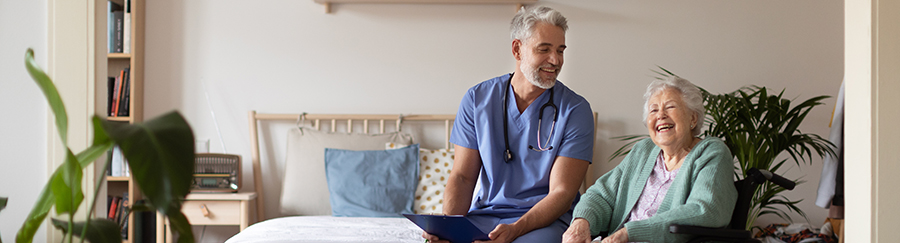
Second, what is non‑negotiable for them? Some parents will accept assist with whatever except financial resources. Others will quickly turn over the stove however cling increasingly to driving. Appreciating those lines, even if you disagree, assists maintain trust. You can still negotiate, however you do so openly, not by quietly taking over.
I often see families jump right away to "We will take turns being there" without calculating the toll. A sustainable senior home care plan accounts for your limits. If you are currently stretched thin, it is not a failure to bring in expert in‑home care part‑time. It is a practical method to keep your parents in your home for longer.
Safety at home: reducing avoidable risks
Home safety does not indicate stripping your house of anything remotely fascinating. It implies minimizing the odds of the injuries that most commonly send older adults to the hospital: falls, burns, medication errors, and wandering.
A fundamental safety walk‑through can be carried out in an afternoon. It helps to go room by space with your parents, watching how they move, not just how the space looks. One gentleman I worked with swore he "did great" on the stairs until I watched him descend, gripping the rail with both hands and stopping briefly on every action. His child recognized that a single missed out on stair lightbulb might send him to the emergency room.
Here is a simple list of core safety changes that fit most homes:
- Clear paths and protected or get rid of loose carpets, cables, and mess in strolling areas.
- Improve lighting in hallways, staircases, and bathrooms, adding nightlights where needed.
- Add grab bars and non‑slip surface areas in the shower, tub, and near the toilet.
- Ensure stairs have strong hand rails, great lighting, and high‑contrast markings on edges if vision is poor.
- Check smoke alarm, carbon monoxide alarms, and simple access to the phone or emergency alert system.
You can improve from there based on specific conditions. For someone with dementia, you might add door alarms or a keypad lock on the yard gate. For someone with extreme arthritis, lever deals with replace round doorknobs.
Medication safety is an often neglected part of home care. When I open medication cabinets, it prevails to discover a mix of active prescriptions, out-of-date bottles, and over‑the‑counter pills from 3 various service providers. A weekly tablet organizer, a single drug store when possible, and a clear written list of medications taped inside a kitchen cabinet can prevent harmful mix‑ups. Some in‑home senior care companies include medication suggestions as part of the caretaker's duties, which can be indispensable for parents who forget mid‑day doses.
Nutrition: from "Are you eating?" to "Just what are you eating?"
Most adult children ask their parents if they are consuming well. Numerous parents, particularly those who grew up in leaner times, address "Of course" almost instantly. The genuine story originates from the fridge, pantry, and trash.
I remember checking out a widower whose daughter was worried about his weight reduction. He insisted he consumed three meals a day. His refrigerator informed a different story: expired eggs, half a jar of peanut butter, and a drawer of soft, unused veggies. What he in fact did was toast, coffee, and maybe a microwaved frozen meal.
Nutrition for older grownups is about more than calories. Poor intake leads to muscle loss, weak point, falls, and slower wound recovery. On the other hand, overly restrictive "healthy" diet plans can backfire when an 86‑year‑old loses pleasure in food altogether.
A useful approach looks at 3 things.
First, physical capability. Can your parent safely store, bring groceries, utilize the range, and stand long enough to prepare? If arthritis, balance issues, or tiredness obstruct, consider grocery shipment, ready healthy meals, or having a caregiver batch cook twice a week. Some Albuquerque home care suppliers fold light meal preparation and shopping into their basic care plans.
Second, hunger and taste. Medications, dental concerns, and depression can all minimize appetite. You may require to move towards smaller, more frequent meals, highlight protein and hydration, and include their dental expert or doctor. Smoothies, yogurt, eggs, and soft prepared veggies often work better than big, heavy plates of food.
Third, routines. Older adults often grow on foreseeable patterns. Settle on an easy food rhythm that fits their energy. For instance, a substantial breakfast when they feel greatest, a lighter lunch, and a modest early dinner. If you utilize expert senior home care, integrate caregiver visits with meals that require the most help, such as dinner and medication management.
The goal is not a perfect diet plan. It is "sufficient, consistently," with an eye on preserving strength, weight, and enjoyment.
Hygiene: self-respect, safety, and surprise caution signs
Helping a parent bathe or handle incontinence might be one of the most emotionally packed parts of home care. It discuss personal privacy, modesty, and the reversal of roles. Numerous families avoid the problem till the smell of urine in the hallway or a rash on the skin requires the conversation.
From a care perspective, hygiene has to do with three things: safety in the bathroom, skin integrity, and psychological comfort.
Safety is apparent. Wet surfaces, confined spaces, and poor lighting are a bad mix for someone with balance issues. Shower chairs, handheld showerheads, non‑slip mats, and steady grab bars significantly lower threat. For one couple I worked with, changing the shower door to a drape and raising the toilet seat made the distinction in between continuous falls and none for months.
Skin care is crucial, specifically for parents who sit or lie down for long periods or who wear incontinence briefs. Try to find soreness over bony areas, especially heels, hips, and the lower back, and for any open locations in skin folds. Early intervention with barrier creams, rearranging, and breathable fabrics prevents bedsores, which can spiral into healthcare facility stays and extended rehab.
Emotional comfort is typically overlooked. It matters who offers hands‑on help. Some sons can help their moms with a bath without distress; others find it agonizing for both celebrations. One practical solution is to bring in in‑home care particularly for bathing several times a week, while household deals with the rest. Professional caregivers are used to these tasks, and many parents really feel less embarrassed with a neutral professional than with a child.
Hygiene regimens likewise provide early ideas about cognitive decline. A parent who unexpectedly stops bathing or altering clothes might be depressed, fearful of falling, or having a hard time to follow the steps of the process. Prevent shaming language. Instead of "You smell, you need a shower," try "I noticed the restroom is difficult for you since your fall. How about we make it simpler?" and after that use support.
Companionship: not a high-end, a protective factor
If safety, food, and hygiene are the noticeable pillars of elder care, companionship is the one that silently holds them together. Loneliness in older grownups associates with higher rates of depression, cognitive decline, and even physical health problem. Yet it is easy to think, "I call twice a week, that must be enough."
Human connection in late life is less about the number of contacts and more about their quality and fit. Some parents light up at a crowded household supper. Others, particularly those with hearing loss or mild dementia, feel overwhelmed in groups and flourish with one‑on‑one visits.
When you design a home care plan, specify about social contact. For instance, you might set up a weekly card game with a next-door neighbor, a church visit on Sundays, and a video call with distant grandchildren on Wednesdays. Then, if you likewise deal with an in‑home senior care agency, you can choose caretakers not just for their abilities but for personality fit: a peaceful reader for a bookish parent, or a chatty extrovert for somebody who likes conversation.
I recall one retired engineer whose child employed Albuquerque home care support primarily for mobility help. She almost canceled after the first week, thinking her father "did not need a babysitter." 2 months later, she confessed that his twice‑weekly chess games with a particular caretaker had actually altered his state of mind more than any medication. His appetite enhanced, and he started shaving daily once again. The companionship had ripple effects throughout safety, nutrition, and hygiene.
Stimulation matters too. Basic cognitive activities such as puzzles, music, familiar hobbies, or sorting photos help structure the day. Avoid treating your parent as fragile china. Ask what they still delight in and develop from there, within their abilities.
Bringing in expert home care: when and how
Family caregiving brings limitations. Geography, jobs, kids, and your own health shape what you can reasonably supply. Expert home care fills the spaces, not just in jobs but in connection and expertise.
There are three typical points when households begin exploring in‑home care.
The initially seeks a health crisis, such as a stroke, hip fracture, or hospitalization for pneumonia. Suddenly, your parent comes home weaker, perhaps requiring aid with transfers, toileting, or medications. Short‑term help, even for a couple of weeks, can prevent readmission and provide you time to adjust.
The second is when caregiving begins to erode your own life. If you are dropping work hours, losing sleep, or feeling constant bitterness, it is time to review. Many adult kids assume they must supply all elder care personally to be "excellent" daughter or sons. In practice, monitored, partial delegation often results in better care and a more loving relationship.
The third is when specialized abilities are required. For example, advanced dementia, feeding tubes, intricate diabetes management, or significant mobility problems benefit from qualified caretakers and, sometimes, skilled nursing.
If you live in or near a city with a robust elder care community, such as Albuquerque, you might find a series of alternatives: independent caretakers, full‑service agencies, and hybrid designs. Dealing with a recognized Albuquerque home care firm or similar supplier in your area generally adds oversight, backup staffing, and training compared with hiring privately.
When you talk to possible suppliers, focus less on shiny sales brochures and more on how they handle day‑to‑day realities. A couple of questions assist surface quality:
- How do you match caretakers to clients, and can we meet the caregiver before services begin?
- What training do your caretakers get in dementia care, transfers, and emergency situation response?
- How do you manage call‑outs or if the routine caretaker is sick or on vacation?
- What is included in your basic care strategy, and how flexible are you if requirements change?
- How do you interact with family, especially if we live out of town?
Expect to revisit your choice as scenarios evolve. The right fit at 78 may be wrong at 84. Excellent companies understand this and treat the care strategy as a living document.
Building a day-to-day rhythm that actually works
A home care strategy lives or passes away in the daily rhythm. A perfectly written schedule that no one follows is not a strategy, it is wishful thinking.
Start by mapping your parent's natural energy. Some people are sharpest in the early morning and fade after lunch. Others are sluggish to start but do much better later on. Line up tasks that require more cooperation, such as bathing or workouts, with their more powerful times.
Then overlay the non‑negotiables: medication times, medical consultations, and any scheduled in‑home care visits. Within that frame, create a pattern that includes three anchors most days: a significant activity, light motion tailored to their capabilities, and social contact. For instance, a day may include a mid‑morning walk with a walker on the driveway, a crossword puzzle after lunch, and a video call with a grandchild in the afternoon.
Even a simple, handwritten everyday plan on the refrigerator can reduce anxiety for a parent with early memory concerns. Familiar regimens help orient them and lower repeated questions.

For families sharing duties, a shared online calendar or a paper coordinator in the home with clear notes about who is "on" each day prevents spaces and duplication. Expert caregivers can include observations to that exact same log, such as modifications in hunger, mood, or mobility.
Balancing functions within the family
Family characteristics form home care for parents as much as any fall‑risk rating. One sibling may live close by and presume the bulk of hands‑on care, while others send out cash or visit occasionally. Old animosities can resurface under the tension of elder care decisions.
It helps to distinguish between primary functions, not to identify anybody as "great" or "bad," however to clarify expectations. Common roles consist of the logistical coordinator, the medical in home care advocate, the monetary supervisor, the hands‑on caretaker, and the emotional assistance individual who checks in with everybody. A single person might wear more than one hat, however hardly ever all of them effectively.
A fair distribution does not constantly mean equal hours. The sibling who lives five minutes away may supply more direct care. Another who lives throughout the country might take on expense paying, insurance coverage fights, and arranging respite. Calling these roles explicitly, even in a brief family call, tends to reduce misunderstandings.
When professional senior home care remains in the mix, decide who interacts with the company. Scattered messages from several relatives result in confusion. The designated point person can still look for family input, however the firm and caregivers gain from a clear line of authority.
Monitoring, adjusting, and accepting change
No home care plan remains static. Aging is dynamic, illnesses flare and settle, and your own life changes. A wise method treats the plan as a draft that is frequently revised.
Every couple of months, or after any significant occasion such as a hospitalization or fall, time out and ask: What is working? What is unsustainable? Are safety, nutrition, hygiene, and companionship still fairly covered, or have fractures opened up?
Sometimes tiny changes are enough. Shifting the caretaker's arrival time an hour previously, including a shower chair, or changing a mealtime resolves the instant problem. Other times, you may require to significantly increase in‑home care hours, involve home health nursing, or begin severe discussions about assisted living or memory care.
These shifts are hardly ever easy. They can, however, be less terrible when framed as part of a continuum rather than a failure of home care. You are passing by between "home or facility, all or nothing." You are asking, at this stage, what mix of supports best protects your parent's safety, self-respect, and lifestyle, and what allows you to stay a child instead of only a caregiver.
The heart of any great plan is regard: for your parents' history, for their existing limitations, and for the truth that none people can do this alone. Thoughtful home care, whether offered by household, expert caregivers, or a mix, offers a method to honor that respect in everyday practice.
FootPrints Home Care is a Home Care Agency
FootPrints Home Care provides In-Home Care Services
FootPrints Home Care serves Seniors and Adults Requiring Assistance
FootPrints Home Care offers Companionship Care
FootPrints Home Care offers Personal Care Support
FootPrints Home Care provides In-Home Alzheimer’s and Dementia Care
FootPrints Home Care focuses on Maintaining Client Independence at Home
FootPrints Home Care employs Professional Caregivers
FootPrints Home Care operates in Albuquerque, NM
FootPrints Home Care prioritizes Customized Care Plans for Each Client
FootPrints Home Care provides 24-Hour In-Home Support
FootPrints Home Care assists with Activities of Daily Living (ADLs)
FootPrints Home Care supports Medication Reminders and Monitoring
FootPrints Home Care delivers Respite Care for Family Caregivers
FootPrints Home Care ensures Safety and Comfort Within the Home
FootPrints Home Care coordinates with Family Members and Healthcare Providers
FootPrints Home Care offers Housekeeping and Homemaker Services
FootPrints Home Care specializes in Non-Medical Care for Aging Adults
FootPrints Home Care maintains Flexible Scheduling and Care Plan Options
FootPrints Home Care is guided by Faith-Based Principles of Compassion and Service
FootPrints Home Care has a phone number of (505) 828-3918
FootPrints Home Care has an address of 4811 Hardware Dr NE d1, Albuquerque, NM 87109
FootPrints Home Care has a website https://footprintshomecare.com/
FootPrints Home Care has Google Maps listing https://maps.app.goo.gl/QobiEduAt9WFiA4e6
FootPrints Home Care has Facebook page https://www.facebook.com/FootPrintsHomeCare/
FootPrints Home Care has Instagram https://www.instagram.com/footprintshomecare/
FootPrints Home Care has LinkedIn https://www.linkedin.com/company/footprints-home-care
FootPrints Home Care won Top Work Places 2023-2024
FootPrints Home Care earned Best of Home Care 2025
FootPrints Home Care won Best Places to Work 2019
People Also Ask about FootPrints Home Care
What services does FootPrints Home Care provide?
FootPrints Home Care offers non-medical, in-home support for seniors and adults who wish to remain independent at home. Services include companionship, personal care, mobility assistance, housekeeping, meal preparation, respite care, dementia care, and help with activities of daily living (ADLs). Care plans are personalized to match each client’s needs, preferences, and daily routines.
How does FootPrints Home Care create personalized care plans?
Each care plan begins with a free in-home assessment, where FootPrints Home Care evaluates the client’s physical needs, home environment, routines, and family goals. From there, a customized plan is created covering daily tasks, safety considerations, caregiver scheduling, and long-term wellness needs. Plans are reviewed regularly and adjusted as care needs change.
Are your caregivers trained and background-checked?
Yes. All FootPrints Home Care caregivers undergo extensive background checks, reference verification, and professional screening before being hired. Caregivers are trained in senior support, dementia care techniques, communication, safety practices, and hands-on care. Ongoing training ensures that clients receive safe, compassionate, and professional support.
Can FootPrints Home Care provide care for clients with Alzheimer’s or dementia?
Absolutely. FootPrints Home Care offers specialized Alzheimer’s and dementia care designed to support cognitive changes, reduce anxiety, maintain routines, and create a safe home environment. Caregivers are trained in memory-care best practices, redirection techniques, communication strategies, and behavior support.
What areas does FootPrints Home Care serve?
FootPrints Home Care proudly serves Albuquerque New Mexico and surrounding communities, offering dependable, local in-home care to seniors and adults in need of extra daily support. If you’re unsure whether your home is within the service area, FootPrints Home Care can confirm coverage and help arrange the right care solution.
Where is FootPrints Home Care located?
FootPrints Home Care is conveniently located at 4811 Hardware Dr NE d1, Albuquerque, NM 87109. You can easily find directions on Google Maps or call at (505) 828-3918 24-hoursa day, Monday through Sunday
How can I contact FootPrints Home Care?
You can contact FootPrints Home Care by phone at: (505) 828-3918, visit their website at https://footprintshomecare.com, or connect on social media via Facebook, Instagram & LinkedIn
A ride on the Sandia Peak Tramway or a scenic drive into the Sandia Mountains can be a refreshing, accessible outdoor adventure for seniors receiving care at home.